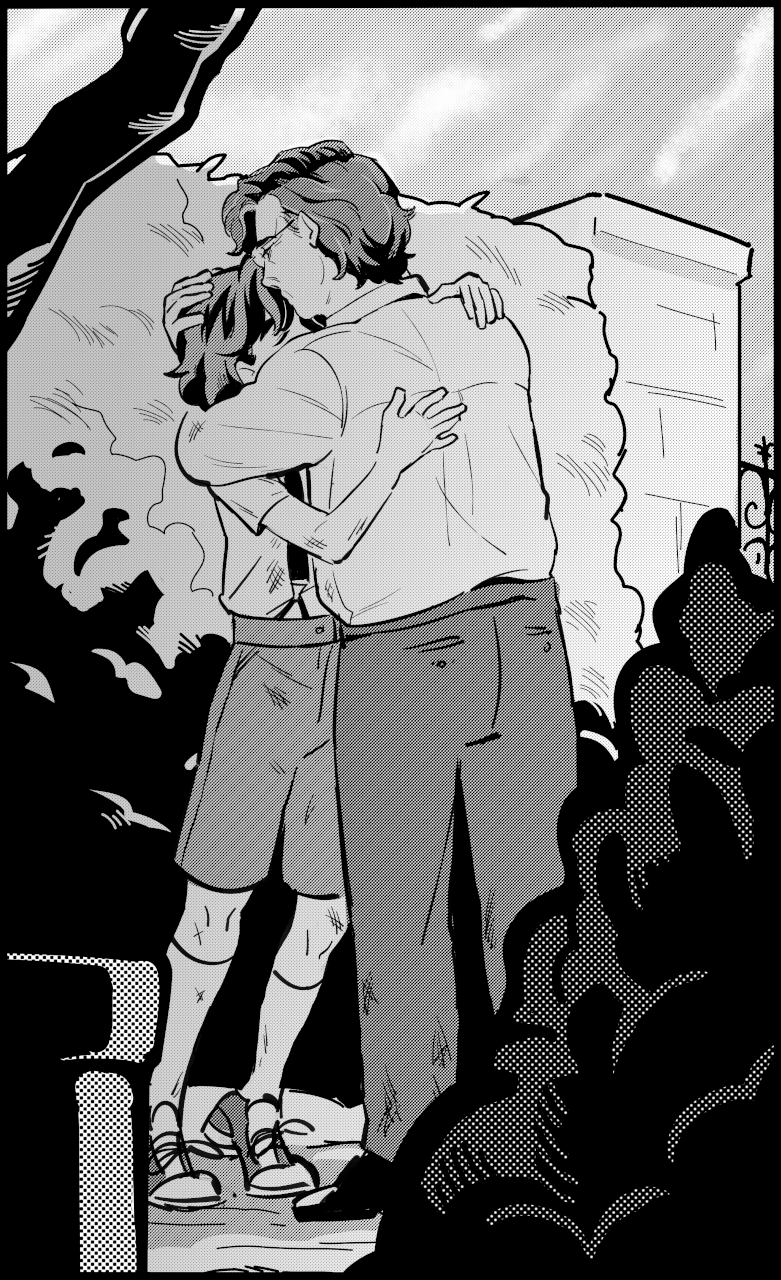
In the first week of July the rains finally stopped. Neglect had already encouraged invaders to propagate through the herb and flower garden—hardy groundsel, leafy thistle, red spears of rosemary willowherb pushing out of the ground, the buds still closed tight—but the watering, even such a Biblical deluge as they had received in the past two weeks, sped along their expansion, and Johannes could no longer abide. He donned his gloves, his corduroy pants, and a coarse linen shirt he wore whenever he had business in the dirt and went to work.
He began mid-morning, uprooting the weeds that had sprung up in his absence with less vigour than monastic complaisance, for, as a middle-aged man who had grown up in Vienna, he regarded any other way of conducting himself with disdain. Scouring the garden, he filled his pail with the corpses of groundsel and thistle, willowherb, Frenchweed still entombed in their clods of dirt; he grimaced at every new specimen he found, wishing he hadn't shirked his responsibilities for the past two weeks, and shooed away bees lest they think his nostrils were an invitation. On the plants he couldn’t extract immediately he sprayed herbicide, making a note to come back the next day. At noon he broke for lunch—bread rolls and leftover sausage, hardly sufficient.
Now, as the sun began to arc toward the earth, he considered calling it a day. Sweat had dried on the back of his neck, leaving the skin there itchy. His joints groaned when he twisted the wrong way. He was finding it more and more difficult to turn from the thoughts that had been troubling him, and he’d gone all afternoon without brewing a single pot of tea.
He discarded the limp body of another thistle in the pail and sighed. Shifting back on his haunches drew attention to the ache in his knees and lower back, and he stripped off his gloves to rummage for his cigarettes. These were kept in a wooden carry case he'd bought in Milan. Like most Italian goods, it was sleek and lightweight, slimmed down as much as possible without compromising basic functionality, but now he thought it probably felt too light. He took the case by the ends and shook it.
The telltale rattle of a lone cigarette, bouncing off the sides of its box. He sighed again. That, too, had fallen by the wayside. To his list of outstanding tasks he added "trip to the tobacconist," then pulled himself up with some difficulty onto his feet. Johannes slid the cigarette out of the wooden case and lit it. There were gaps in the earth he'd have to smooth over, like empty gum after an oral surgery, but overall the operation had been a success. He was glad he'd done it before most of the weeds had grown too deep, choking the life out of his basil and jasmine and overtaking his roses. Leaning against the fence, he took a drag of tobacco and luxuriated in the pain relief, the instant sharpening of his focus. He swung his arms, stretched, paced up and down the side of the bed; he thought about making Linzer tarts and debated whether he wanted to go through the trouble. Brrring! An old sound, then—a boyhood sound. Johannes turned, his eyes following the dirt path to its end, past the gate, into the smooth concrete strip of residential street. A high, not-altogether-childish voice floated down the breeze to meet him: "Herr Engelstädter, good afternoon!" He waved away another errant bee. The girl beamed at him from atop her father's bike, her cheeks still rosy from the exertion of pedaling up the hill, her chestnut hair tossed back from her forehead by the wind. Gold rimmed the edge of her face, igniting the peach fuzz there until the sun winked out at the point of her chin. Johannes traced it to the creamy dip of her neck above her open collar, feeling a little guilty. Then his self-consciousness overwhelmed him, and he looked away. More to her shorts than to her face, he said, "Greta." Greta performed a mock bow. "La cavalerie est arrivée!"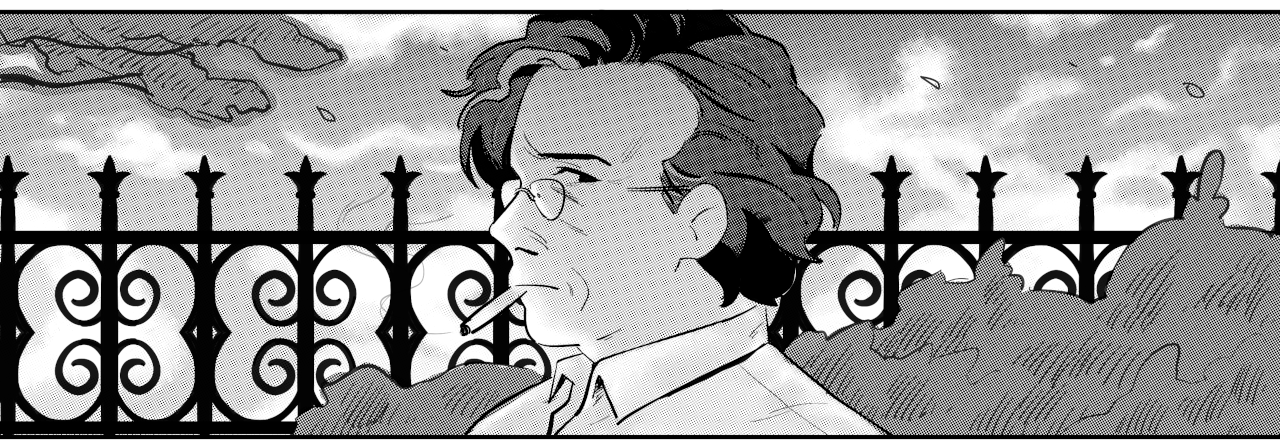
 Her gleaming eyes met his. They searched his face for a reaction, but he wasn't sure what he should be reacting to yet and knew that she would find none. "I wanted to come see you sooner," she continued after a moment. "I didn't because…"
"Because?"
"—I thought you didn't want to see me anymore."
Johannes's breath expelled itself violently through his nostrils. "Nonsense!"
"I thought—" She licked her lips. "I thought I hurt you, or that you didn't want to be unfaithful to your wife—the last—"
"Carmen?"
"—The last time I visited, you pulled away. And it was after we were talking about her—about your marriage. So I thought—I don't know, I'm sorry. I didn't mean…"
Johannes turned. He strode stiffly down the path and glowered at his roses, wishing he hadn't smoked his final cigarette. Pressure mounted in his skull somewhere between the eyes, accompanied by flashes of white heat that surged, like a river bursting its banks, outward from his core to the rest of his body. Removing his glasses, he pinched the bridge of his nose hard and counted to ten. She was only a girl, he reminded himself. A girl. A young woman, he retorted, who should have learnt to use her words and communicate by now. She had his home number only after she had requested it—she could have called to ask if he had been offended! What reason was there to make him think she'd finally grown bored of him after a year of demanding his attention? Cowardly, avoidant behaviour—he took a deep breath, deciding how to frame his argument, pivoted, and made his way back to where he'd left her.
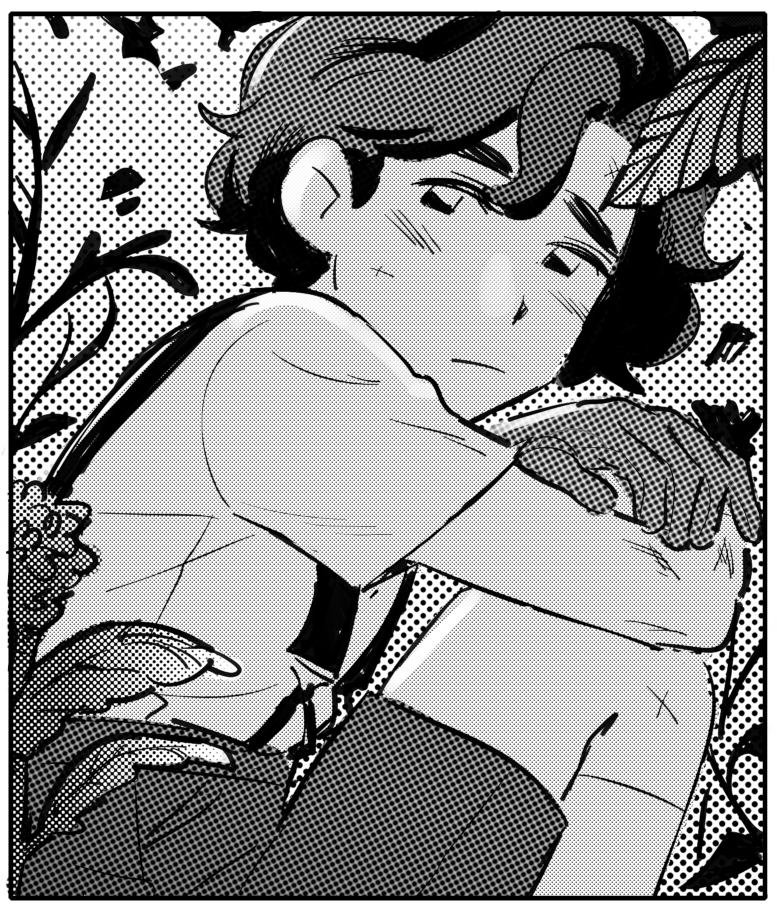
Greta hurriedly wiped her eyes on the back of her arm, and the quarrel died on Johannes's lips. He watched the girl clutch her knees, brace for impact, try to look brave in the face of the punishment he was about to dish out, but in reality she was small—a mouselike, catlike thing crouched on the ground in front of his asters (that was what they were called!) with her head hanging low in the valley of her shoulders. Resentment churned his gut—she had robbed him of his anger! his right to call her out on her failure!—but it didn't last. Like all poison it turned on him next, the adult who had almost lost his temper.
He closed the remaining distance and squatted beside her. His joints were stiffer than he expected, probably from cold, and he didn't fail to grimace as he felt them creak. "You should have reached out sooner, Greta," he admonished her gently.
Her bottom lip quivered an angry red. Chewed raw, fresh blood had bloomed on the vivid pink and begun to coagulate. Johannes suppressed the urge to reach out and wipe it down, the same as she had done to her cut. He wasn't her mother, after all.
The red lips moved again. "I was—I was trying not to hurt you," they stammered, "but I guess—I did anyway. I'm always messing up like that, always, somehow. Even if I try and—do things right, do things well, I'm just—I'm just too stupid to get it."
"God in Heaven. Spatzl, please, no one in your family can even claim the title of being 'stupid'."
"But I am!" she exploded, jostling the asters. "I had your number and everything. I could have called. You visit the park all the time—and the café—you've even been to Tintino! There were a thou—a million things I could have done. I even thought about them—and second guessed—but I really should have done any. Just, any! I hate it! Why didn't I? Why do I have to be me?"
She buried her face in her arms and sobbed openly, an unprecedented downpour on what had been a calm, sunny day. Part of Johannes was nonplussed. He'd been unprepared for the teenage melodrama he was now witnessing and uneasy about whether his neighbours would hear, but another, arguably greater, part was relieved. She didn't hate him; she hadn't intended to leave him alone. The heat inside his ribcage melted. He pressed a hand to her soft hair. When she didn't push away, he stroked her until she leaned on him, and a frisson of excitement flared at the base of his neck despite himself at the contact he'd craved for so long. A new sentence bubbled to mind—not the critique he had intended, but words he'd wanted to say since he laid eyes on her that afternoon. He pressed his nose into her hair and breathed her in, her skin, sweat, and conditioner, sweeter than any springtime. In the low murmur he reserved for just such occasions as this, he said:
"Dear girl, don't you know how much I've missed you?"
The unhappy hunch of Greta's shoulders tightened. A whimper escaped that tightly coiled ball of misery. Even so, it was clear that the worst was over, the torrent of emotion wracking her body already beginning to subside. Hot, panting breaths came fast through the gaps in her arms instead of frantic animal sounds; she was no longer trembling so hard and Johannes, wanting to encourage her, pressed his lips gently to the top of her head. At this she stirred and shifted. Her eyes rose over the horizon of her pristine white sleeve. Puffy and red-rimmed, teardrops clung to the bottom lashes, their irises nearly copper from strain and the early evening sun. Johannes felt electric with desire. Leaning over, he kissed her eyelids, too, one at a time.
She turned her face up to him, hesitant, but he was ready—he had been ready.
Their lips met, grazing at first, uncertain of what was allowed; and then Greta pressed forward, just as hungry as he had felt, a sputter of flame catching on and building. Understanding flashed over him as lightning across a darkened plain. She felt the same about him as he did about her—for how long, he didn't know—why he'd never noticed, he didn't know—
It was impossible to count how many kisses they exchanged in front the asters, nor how long they spent embracing as the sky burst into dramatic colour above them. Not that they would have noticed. By turns they chased each other's lips, found them, pulled back to catch their breaths, only to begin the process anew; they played happily, delighting in the force that compelled them, over and over, toward each other, toward a pleasure that was best when shared. Johannes was drunk with ecstasy. The girl in his arms, still hiccoughing into his mouth as he held her; blood and salt on her lips, cocoa and processed sugar on the tip of her tongue; spasms of breath that came out of her when he took her off guard and his hand groped some sensitive curve, or his teeth caught on soft, pliant flesh.
Finally she tore away from him, flushed and breathless. Pawing at his chest, Greta said: "Herr Engelstädter—"
"At a time like this!"
"What—what should I call you, then? Sir?"
"'Johannes' will do. Oh, Greta," he sighed, "Greta. But we belong together, don't we?"
"Yes, sir—but Johannes, I—" She bit her lip. "It will be dark soon."
The haze of pleasure lifted slightly, and he looked around the garden. The light had indeed fallen, leaching the colours from his flower and herb garden, plunging their motley silhouettes into lifeless, blue-grey shadow. The sky was that pale indigo which precedes both night and morning, the clouds as scattered against their canvas as his own thoughts. His skin prickled with heat again as Greta pressed her lips to his cheek and buried her nose in his neck; for a young woman trying to take responsibility, he thought, her actions were diametrically at odds with her words.
Perhaps, someday, he would teach her to do better.
"Will you be fine to bike home? Should I call a cab for you?"
"No, sir, that won't be necessary. Look—the lamps are already coming on, I can find my way home. It'll be harder to explain to Mama and Papa why the errand took so long, especially if they see I've been crying…"
"I didn't know it would go this way when I let you into my garden…"
"…But I could say I took the long way through the woods and got a little lost. I was just enjoying the nature, and I tried to stay on the trail, but when I blinked, it was already late. Voilà."
Johannes snorted. He leaned back, using his arms to support his weight. "And they'll believe that story, will they?"
"They'd rather believe that than the truth. Is that terrible?"
He regarded her seriously over the rims of his glasses. "Love isn't terrible."
And the lamps hummed to life from their slumber in the street.
Johannes collected the china while Greta hydrated and freshened up in the restroom. When she came out, she was almost presentable—almost the girl who had come to him that afternoon bathed in sunlight after delivering a cake. He walked her to her father's bike, dragging his feet; it was childish, but he didn't want her to go, even if the likelihood of her staying away was lower now than it had ever been.
"Come again next week, Greta. And call me so I can prepare, please. I'll bake something rather than serve you leftovers from Tintino…"
"Ach, were you worried about that? Tintino is good! But I do prefer when you make something just for me. It feels special."
"…and I won't put you up to weeding again. A proper tea, like before."
"I didn't mind that about today, either." She reached her arms out.
It took a moment for Johannes to realise she was asking for a hug. He clasped her to him, breathing her in again, dizzy with happiness at the thought that he was hers and she was his. The future had blown wide open, and they could expect more summer afternoons; best of all, he could expect to see more of her.
Greta pressed her lips to his and stood on tiptoe to reach his ear.
"Johannes."
"Greta."
The smile in her voice.
He opened the gate and she walked out with the bike, waving one last time before she mounted the seat. Her calves worked as she pushed off from the pavement, a seamless motion, and she shouted over her shoulder as she left:
"Watch me fly!"
And so he did, until the sparrow disappeared over the hump of the hill and melded with the night below.
Her gleaming eyes met his. They searched his face for a reaction, but he wasn't sure what he should be reacting to yet and knew that she would find none. "I wanted to come see you sooner," she continued after a moment. "I didn't because…"
"Because?"
"—I thought you didn't want to see me anymore."
Johannes's breath expelled itself violently through his nostrils. "Nonsense!"
"I thought—" She licked her lips. "I thought I hurt you, or that you didn't want to be unfaithful to your wife—the last—"
"Carmen?"
"—The last time I visited, you pulled away. And it was after we were talking about her—about your marriage. So I thought—I don't know, I'm sorry. I didn't mean…"
Johannes turned. He strode stiffly down the path and glowered at his roses, wishing he hadn't smoked his final cigarette. Pressure mounted in his skull somewhere between the eyes, accompanied by flashes of white heat that surged, like a river bursting its banks, outward from his core to the rest of his body. Removing his glasses, he pinched the bridge of his nose hard and counted to ten. She was only a girl, he reminded himself. A girl. A young woman, he retorted, who should have learnt to use her words and communicate by now. She had his home number only after she had requested it—she could have called to ask if he had been offended! What reason was there to make him think she'd finally grown bored of him after a year of demanding his attention? Cowardly, avoidant behaviour—he took a deep breath, deciding how to frame his argument, pivoted, and made his way back to where he'd left her.
Greta hurriedly wiped her eyes on the back of her arm, and the quarrel died on Johannes's lips. He watched the girl clutch her knees, brace for impact, try to look brave in the face of the punishment he was about to dish out, but in reality she was small—a mouselike, catlike thing crouched on the ground in front of his asters (that was what they were called!) with her head hanging low in the valley of her shoulders. Resentment churned his gut—she had robbed him of his anger! his right to call her out on her failure!—but it didn't last. Like all poison it turned on him next, the adult who had almost lost his temper.
He closed the remaining distance and squatted beside her. His joints were stiffer than he expected, probably from cold, and he didn't fail to grimace as he felt them creak. "You should have reached out sooner, Greta," he admonished her gently.
Her bottom lip quivered an angry red. Chewed raw, fresh blood had bloomed on the vivid pink and begun to coagulate. Johannes suppressed the urge to reach out and wipe it down, the same as she had done to her cut. He wasn't her mother, after all.
The red lips moved again. "I was—I was trying not to hurt you," they stammered, "but I guess—I did anyway. I'm always messing up like that, always, somehow. Even if I try and—do things right, do things well, I'm just—I'm just too stupid to get it."
"God in Heaven. Spatzl, please, no one in your family can even claim the title of being 'stupid'."
"But I am!" she exploded, jostling the asters. "I had your number and everything. I could have called. You visit the park all the time—and the café—you've even been to Tintino! There were a thou—a million things I could have done. I even thought about them—and second guessed—but I really should have done any. Just, any! I hate it! Why didn't I? Why do I have to be me?"
She buried her face in her arms and sobbed openly, an unprecedented downpour on what had been a calm, sunny day. Part of Johannes was nonplussed. He'd been unprepared for the teenage melodrama he was now witnessing and uneasy about whether his neighbours would hear, but another, arguably greater, part was relieved. She didn't hate him; she hadn't intended to leave him alone. The heat inside his ribcage melted. He pressed a hand to her soft hair. When she didn't push away, he stroked her until she leaned on him, and a frisson of excitement flared at the base of his neck despite himself at the contact he'd craved for so long. A new sentence bubbled to mind—not the critique he had intended, but words he'd wanted to say since he laid eyes on her that afternoon. He pressed his nose into her hair and breathed her in, her skin, sweat, and conditioner, sweeter than any springtime. In the low murmur he reserved for just such occasions as this, he said:
"Dear girl, don't you know how much I've missed you?"
The unhappy hunch of Greta's shoulders tightened. A whimper escaped that tightly coiled ball of misery. Even so, it was clear that the worst was over, the torrent of emotion wracking her body already beginning to subside. Hot, panting breaths came fast through the gaps in her arms instead of frantic animal sounds; she was no longer trembling so hard and Johannes, wanting to encourage her, pressed his lips gently to the top of her head. At this she stirred and shifted. Her eyes rose over the horizon of her pristine white sleeve. Puffy and red-rimmed, teardrops clung to the bottom lashes, their irises nearly copper from strain and the early evening sun. Johannes felt electric with desire. Leaning over, he kissed her eyelids, too, one at a time.
She turned her face up to him, hesitant, but he was ready—he had been ready.
Their lips met, grazing at first, uncertain of what was allowed; and then Greta pressed forward, just as hungry as he had felt, a sputter of flame catching on and building. Understanding flashed over him as lightning across a darkened plain. She felt the same about him as he did about her—for how long, he didn't know—why he'd never noticed, he didn't know—
It was impossible to count how many kisses they exchanged in front the asters, nor how long they spent embracing as the sky burst into dramatic colour above them. Not that they would have noticed. By turns they chased each other's lips, found them, pulled back to catch their breaths, only to begin the process anew; they played happily, delighting in the force that compelled them, over and over, toward each other, toward a pleasure that was best when shared. Johannes was drunk with ecstasy. The girl in his arms, still hiccoughing into his mouth as he held her; blood and salt on her lips, cocoa and processed sugar on the tip of her tongue; spasms of breath that came out of her when he took her off guard and his hand groped some sensitive curve, or his teeth caught on soft, pliant flesh.
Finally she tore away from him, flushed and breathless. Pawing at his chest, Greta said: "Herr Engelstädter—"
"At a time like this!"
"What—what should I call you, then? Sir?"
"'Johannes' will do. Oh, Greta," he sighed, "Greta. But we belong together, don't we?"
"Yes, sir—but Johannes, I—" She bit her lip. "It will be dark soon."
The haze of pleasure lifted slightly, and he looked around the garden. The light had indeed fallen, leaching the colours from his flower and herb garden, plunging their motley silhouettes into lifeless, blue-grey shadow. The sky was that pale indigo which precedes both night and morning, the clouds as scattered against their canvas as his own thoughts. His skin prickled with heat again as Greta pressed her lips to his cheek and buried her nose in his neck; for a young woman trying to take responsibility, he thought, her actions were diametrically at odds with her words.
Perhaps, someday, he would teach her to do better.
"Will you be fine to bike home? Should I call a cab for you?"
"No, sir, that won't be necessary. Look—the lamps are already coming on, I can find my way home. It'll be harder to explain to Mama and Papa why the errand took so long, especially if they see I've been crying…"
"I didn't know it would go this way when I let you into my garden…"
"…But I could say I took the long way through the woods and got a little lost. I was just enjoying the nature, and I tried to stay on the trail, but when I blinked, it was already late. Voilà."
Johannes snorted. He leaned back, using his arms to support his weight. "And they'll believe that story, will they?"
"They'd rather believe that than the truth. Is that terrible?"
He regarded her seriously over the rims of his glasses. "Love isn't terrible."
And the lamps hummed to life from their slumber in the street.
Johannes collected the china while Greta hydrated and freshened up in the restroom. When she came out, she was almost presentable—almost the girl who had come to him that afternoon bathed in sunlight after delivering a cake. He walked her to her father's bike, dragging his feet; it was childish, but he didn't want her to go, even if the likelihood of her staying away was lower now than it had ever been.
"Come again next week, Greta. And call me so I can prepare, please. I'll bake something rather than serve you leftovers from Tintino…"
"Ach, were you worried about that? Tintino is good! But I do prefer when you make something just for me. It feels special."
"…and I won't put you up to weeding again. A proper tea, like before."
"I didn't mind that about today, either." She reached her arms out.
It took a moment for Johannes to realise she was asking for a hug. He clasped her to him, breathing her in again, dizzy with happiness at the thought that he was hers and she was his. The future had blown wide open, and they could expect more summer afternoons; best of all, he could expect to see more of her.
Greta pressed her lips to his and stood on tiptoe to reach his ear.
"Johannes."
"Greta."
The smile in her voice.
He opened the gate and she walked out with the bike, waving one last time before she mounted the seat. Her calves worked as she pushed off from the pavement, a seamless motion, and she shouted over her shoulder as she left:
"Watch me fly!"
And so he did, until the sparrow disappeared over the hump of the hill and melded with the night below.